Home / Solutions
Technology solutions for your business operations
We start from your business challenges, not from a product list. From ready-to-use systems and integration to custom development, we stay with you until the solution is running.
Business problem areas we can solve
Every area has its own typical challenges. We analyze your situation first, then design the most suitable solution, not just install software.
Warehouse & Fulfillment Optimization
Challenges we often see
- Differences between stock records and the physical count
- Goods receipt, picking and packing are still recorded manually
- Warehouse reports have to be compiled one by one
How we help
We help organize the warehouse flow from goods receipt and storage to dispatch, with a system that records every stock movement and connects to the other processes in your operations.
What we aim for
- More accurate stock
- More efficient warehouse processes
- Integrated with sales and delivery
Delivery & Transportation Visibility
Challenges we often see
- Route planning is still manual
- Delivery status is hard to track
- Proof of delivery and cash-on-delivery handling get lost
How we help
We help plan, monitor and confirm deliveries from the hub to the recipient, including the couriers' work in the field.
What we aim for
- Deliveries are easier to monitor
- Faster route planning
- Proof of delivery recorded digitally
Omnichannel Order & Store Management
Challenges we often see
- Orders from many channels are checked one by one
- Stock is out of sync between marketplaces
- The online store is not connected to the warehouse and delivery
How we help
We help bring orders from various channels into a single flow, keep stock in sync, and connect it with the online store and delivery.
What we aim for
- Orders from all channels in one place
- Better stock synchronization
- Online store connected to operations
Workforce & Operations Digitalization
Challenges we often see
- Attendance is hard to validate
- Overtime and payroll are calculated manually
- Employee data is spread across many files
How we help
We help digitalize HR management for operations teams, from attendance and work schedules to payroll, in a single system.
What we aim for
- More accurate attendance
- Payroll finished faster
- Centralized employee data
Three ways we deliver solutions
The three complement each other. You can start with one path, then combine them as your needs grow.
Ready-to-Use
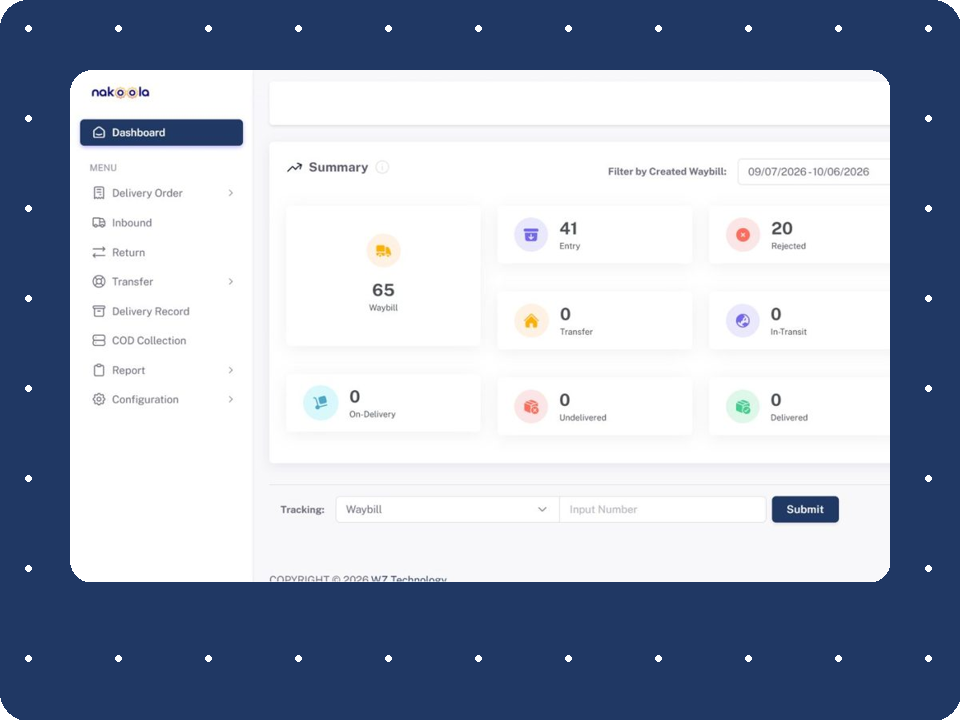
Start quickly with proven systems. A good fit when your challenge already matches the systems we develop and run ourselves.
What we do
- Systems for warehouse, delivery, multi-channel orders, online store and HR
- Subscription, or whitelabel under your own brand
- Customization to your needs
- A demo before you decide
System Integration
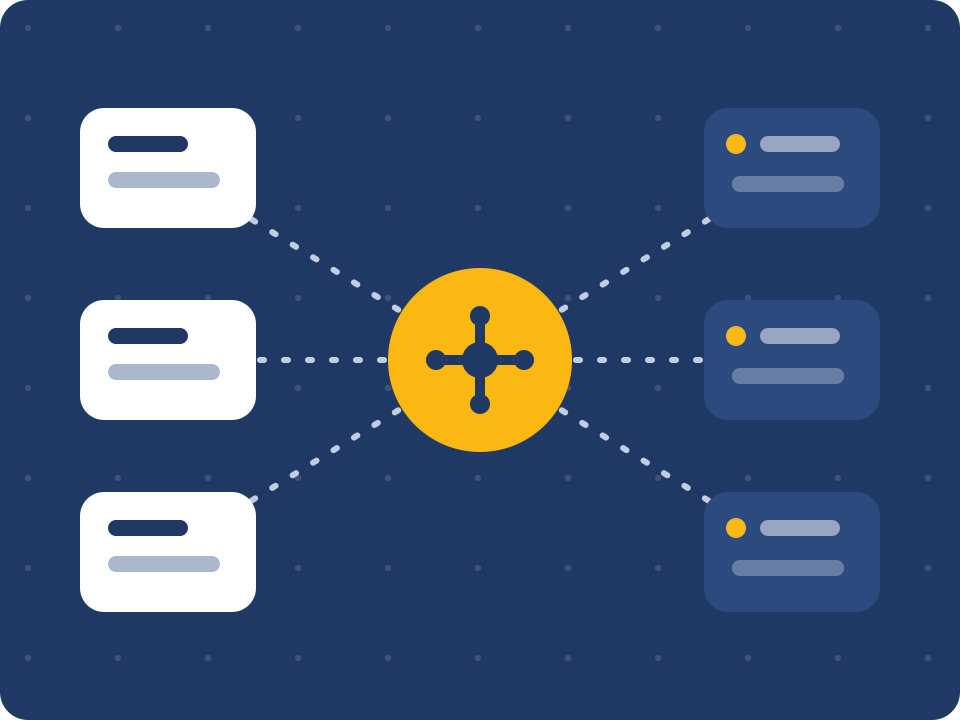
Connect the systems you already use so data flows without re-entry.
What we do
- Marketplace and online store integration
- Couriers, 3PL and shipping systems
- Payments
- Other systems through APIs
- Between WZ systems
Custom Development
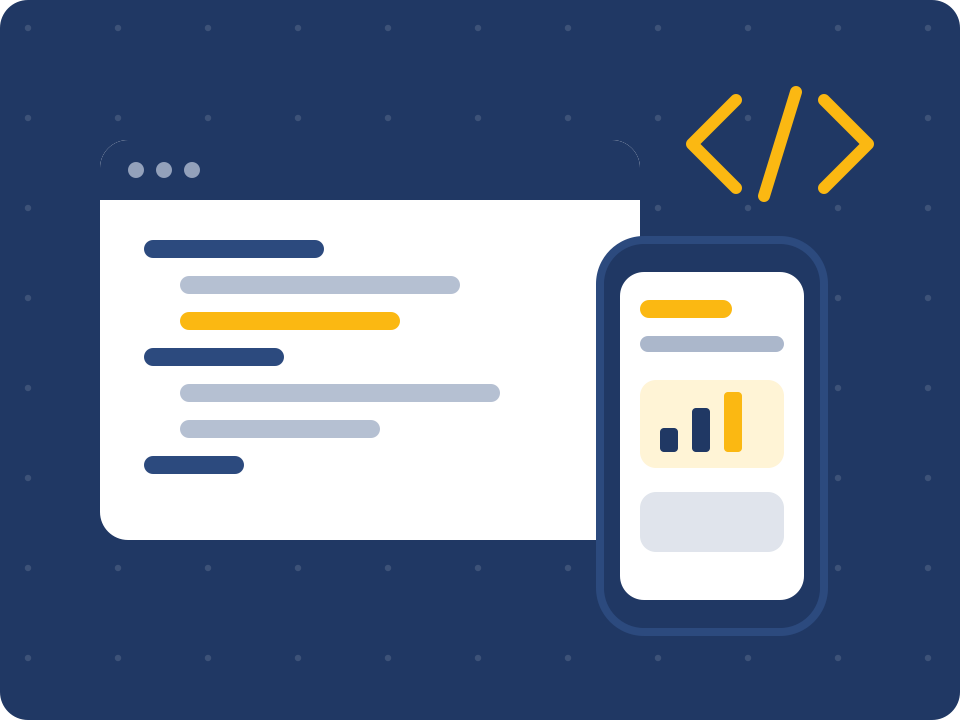
Build a system that does not exist yet, or one that does not fit your process. Because our own systems are built the same way, we know what it takes for a system to work in real operations.
What we do
- Web applications and dashboards
- Android and iOS mobile applications
- Integration with your existing systems
- Company profile websites and landing pages, as part of your digital needs
Choose the way of working that suits you best
Use it directly, run it under your own brand, or build from scratch. We help you decide which fits best.
Subscription
Use proven WZ systems without building your own. We take care of servers and maintenance.
- Ready-to-use systems for warehouse, delivery, orders, online store and HR
- Pay periodically according to your needs
- Servers and maintenance managed by WZ
Whitelabel
Use WZ products with your own name, logo and brand identity. Hosting, usage rights and other technical matters are agreed in the contract.
- Available for all WZ products
- Name, logo and identity under your brand
- Hosting and usage rights as agreed, with installation help from the WZ team
Custom
A system built specifically around your business workflow, from analysis to support.
- Features and integrations to fit your needs
- Starts with a needs analysis
- Support until the system is running
Every option can be customized to your needs. Details on whitelabel are on the Whitelabel page. For a quotation, please contact us.
We analyze your exact needs first
From the first conversation to a running system, one team stays with you.
Needs analysis
Understanding your process, problems and operational targets, then recommending a path: ready-to-use, integration or custom.
Design
Agreeing on scope, roadmap, cost estimate and schedule.
Implementation
Installation, data migration and user training.
Support
Support once running, maintenance and further development.
Questions about logistics and commerce solutions
When should a warehouse move from spreadsheets to a warehouse management system?
Usually when stock discrepancies happen often, finding items takes time, deliveries often contain the wrong goods, or the number of SKUs and storage locations has become hard to track with manual records. A warehouse management system records receiving, storage, picking and dispatch, and supports stock control such as FIFO and FEFO, so recorded stock matches physical stock better. Learn the practical steps in How to improve warehouse stock accuracy and FIFO vs FEFO (both in Indonesian).
How do you monitor deliveries and fleets without calling drivers one by one?
With a transport management system, delivery orders, fleet and driver assignment, and routes are managed in a single flow. Drivers update status through a mobile app and the operations team monitors it in real time. Proof of delivery in the form of photos, signatures and notes is stored digitally, including cash-on-delivery records, so obstacles in the field can be reported and followed up faster.
How do you manage stock and orders from many marketplaces and online stores at once?
An omnichannel system collects orders from various marketplaces and online stores into one dashboard, then synchronizes stock, processes orders and records settlements. Shipping can be connected to several couriers and warehouses, complete with waybills and tracking, so you do not have to download and process orders one by one in each channel.
How do you choose between a ready-to-use system, integration and custom development?
Choose a ready-to-use system if your process is common for logistics and commerce and you want to start sooner. Choose integration if you already have running systems but their data is separate from marketplaces, couriers or payments. Choose custom if your business process is unique and not met by existing systems. If you are still unsure, start with a needs analysis session; the result shows the most sensible path. A full comparison of subscription, whitelabel and custom is in the article Subscription, whitelabel or custom (in Indonesian), and whitelabel is explained on the Whitelabel page.
What do we get once the system is running?
The work runs in four stages: needs analysis, design, implementation and support. We stay with you from planning and development through to implementation and support after the project is running. The scope of support is agreed according to the path you choose. An example of how it was applied across several operational stages is in the Ethix Group case study.
Let's discuss your business challenges
You do not need to choose a product or solution first. Tell us the challenge, and our team analyzes it and recommends the most suitable path.